
Every office has one common problem. Too many tools, one team uses one software, another team uses a different one and nobody’s data talks to each other. This is where a Unified Enterprise Technology Platform comes in. Honestly, it changes a lot of things for a company, small or big.
The Problem With Too Many Tools
Think about a normal company. HR uses one app, sales team uses another, finance department has their own excel sheets and old software from 2015. The IT team tries to connect everything with duct tape, basically.
This creates so much confusion. People spend half their day just finding information, they are not even doing actual work. Someone asks “where is that report” and 3 people reply on email with 3 different versions. This is not efficient, this is chaos, honestly.
When companies grow, this problem grows faster than the company itself. New tools get added and old ones don’t get removed because “we might need it later.” Slowly the whole system turns into a messy web of apps that don’t understand each other.
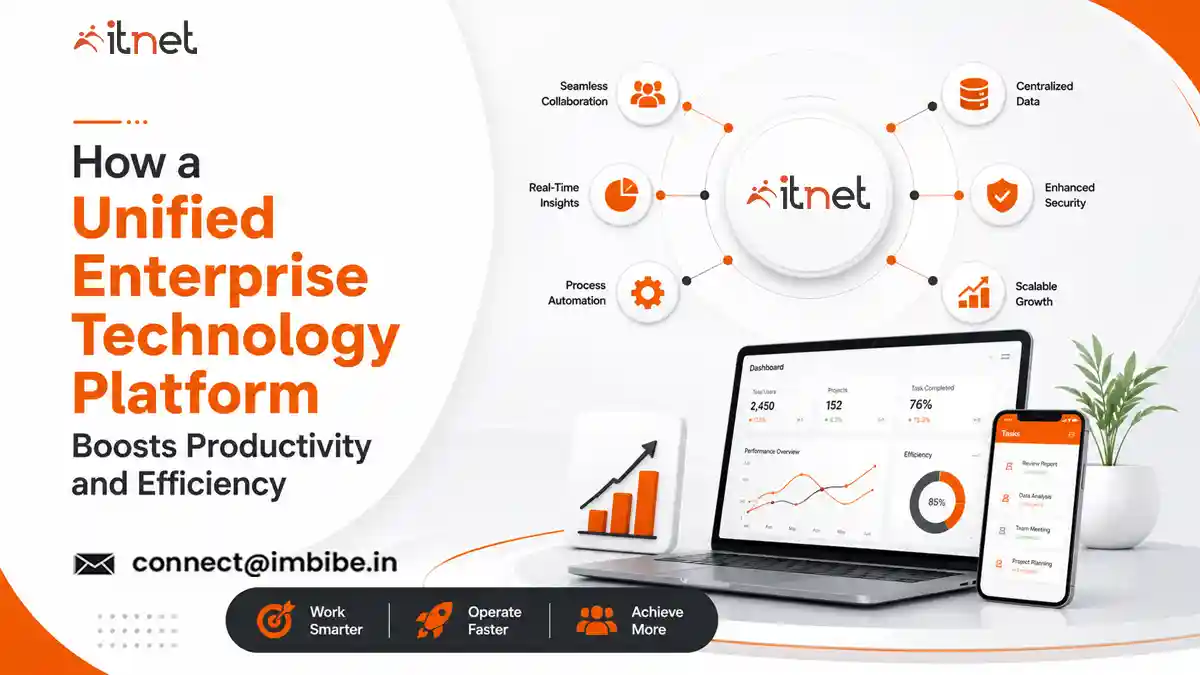
This is exactly the gap a Unified Enterprise Technology Platform fills. Instead of having 10 different systems that barely talk, you get one system where everything connects, from start to end.
 What Does “Unified” Actually Mean Here
People throw around the word “unified” a lot but let’s understand what it really means for a business. Your HR, your finance, your operations, your customer data, everything sits in one system or at least everything talks smoothly to each other without manual work.
No more copy-pasting data from one software to another. No more waiting for the IT guy to “sync” things manually every evening. No more double entry of the same data in two places. This wastes so much time, you won’t believe.
A good Unified Enterprise Technology Platform removes these small daily headaches. Remove these headaches across a hundred employees, over months, and it becomes a huge saving in time and money.
It also means less training for staff. A new employee joins, and instead of learning 6 different tools, they learn one platform, this alone saves weeks of onboarding time, seriously.
How It Actually Boosts Productivity
Now let’s talk about the numbers side of things. Your team stops wasting time switching between apps, checking emails for updates, or entering the same data twice. Naturally, they get more work done in the same hours.
Teams where people spend 1-2 hours daily just managing information across different tools. That is like losing one full working day every week! With a Unified Enterprise Technology Platform, this time goes back into actual productive work.
Decision making speed is another thing people don’t talk about much. When all your data sits in one place, managers see the real picture instantly. They don’t wait for 3 different reports from 3 departments to make one decision, this speeds up everything in the company.
Communication also improves on its own. Everyone works from the same system, with the same updated data. So there is less confusion, and fewer “which version is correct” type questions.
Efficiency Is Not Just About Speed
Many people think efficiency only means “doing things fast.” but that’s not the complete picture. Real efficiency means doing the right things, with less waste, less repeat work, and fewer errors.
A Unified Enterprise Technology Platform helps here too. Everything connects, so mistakes get caught early. If the sales team enters a wrong customer detail, the finance team spots it immediately, instead of finding out three months later during billing.
This also cuts down the “blame game” that happens in offices. When something goes wrong and everyone points a finger at another department because “we didn’t get updated info.” A unified system gives everyone the same information, so these issues drop a lot.
Cost efficiency matters here too. Maintaining 8-10 different software subscriptions, each with its own support team, updates, and license cost, adds up to a big amount yearly. Moving to one unified platform can cut this cost significantly over time.
Security Angle Nobody Talks About Enough
With so many tools, security turns into a nightmare, honestly. Each software has a different login, different security rules, different access levels. The IT team keeps struggling to manage access across platforms, and mistakes happen. Someone leaves the company, but their access to an old tool stays active for months, this happens more than people admit.
A Unified Enterprise Technology Platform solves this by centralising access control. One login. Proper role based access. When someone leaves, one click removes them from everything. Much safer, much simpler.
Scaling Without the Stress
Growing a business is hard enough already. Adding new tools every time you scale makes it harder. With a unified platform, scaling gets much smoother because the system grows with you, not against you.
Need a new module for a new department? You add it within the same system, instead of buying a whole new software and connecting it to the rest of your setup. This flexibility saves both time and stress for the whole organisation.
Why Businesses Are Moving This Direction
Most companies are tired of managing separate systems. They want one place to see everything, manage everything, and stop worrying about integration headaches every few months.
This shift towards a Unified Enterprise Technology Platform is not just a trend anymore. It is becoming a necessity. Companies that adapt early save time, save cost, and make better decisions than the ones still stuck juggling 10 different tools.
Work should stay easy, not complicated. Employees should focus on actual work, not on managing which tool talks to which, that is the real value a unified system brings to the table.
Conclusion: Why ItNet Makes Sense For This
This is exactly the kind of problem ItNet by Imbibe Tech is built to solve. ItNet is a modern enterprise platform made to make digital transformation simple and fast, not confusing. It brings together important business tools, flexible modules, and secure integrations into one single system.
Teams using ItNet develop, deploy, and scale applications with much more confidence, instead of struggling with disconnected tools. The platform tackles the exact problems mentioned above: messy workflows, disconnected teams, security gaps, and slow scaling.
If your organisation still juggles too many tools and needs a proper Unified Enterprise Technology Platform, connect with ItNet. See how it can simplify your operations, boost your team’s productivity, and finally give you one system that works the way modern business needs.
Reach out to ItNet by Imbibe Tech today and take the first step towards a smarter, unified way of working.

